The Time to Act is Now | Prevent Ghana’s Chernobyl : Galamsey.
Can Chernobyl Disaster Vs Ghana’s Galamsey be compared?
The Chernobyl nuclear accident in Ukraine in 1986 was one of the greatest nuclear disasters in history. Decades later, the region is still plagued by health concerns, environmental damage, and human misery as a result of the incident. Ghana is already on the verge of a comparable catastrophe, but one that is brought on by unlawful small-scale mining, or galamsey, rather than nuclear radiation. This environmental hazard’s unregulated spread is contaminating towns, soils, and water sources. It poses a potential to trigger a crisis with outcomes similar to the Chernobyl catastrophe. Ghana may face an environmental and public health disaster comparable to the terrible legacy of Chernobyl if swift action is not done.
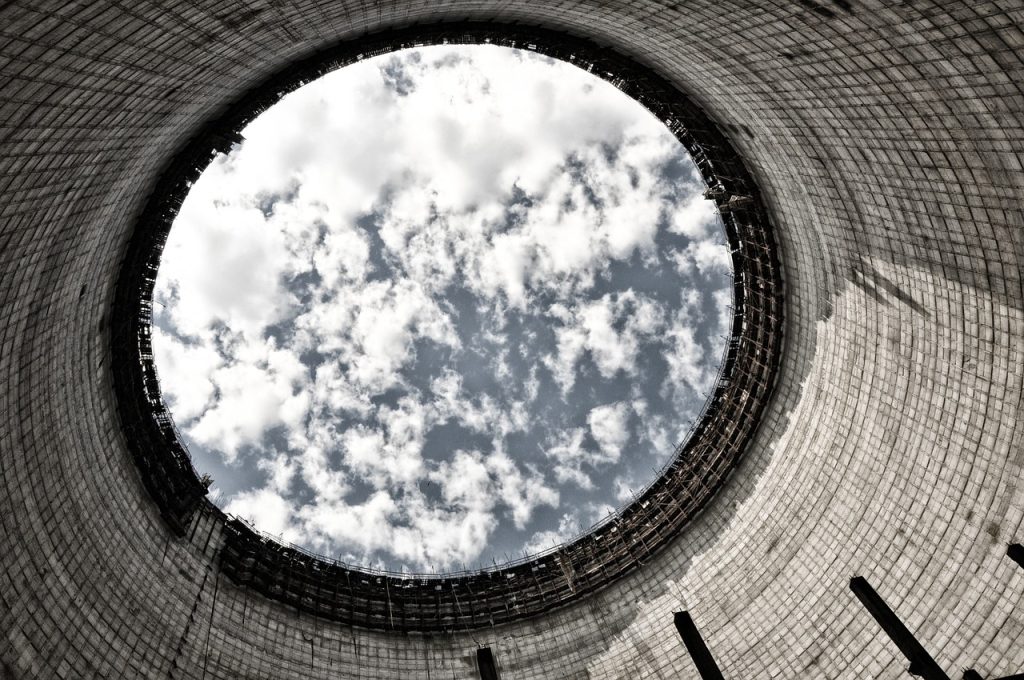
Table of Contents
🔍 What Happen At Chernobyl in Ukraine
On April 26, 1986, the Chernobyl Nuclear Power Plant in Ukraine experienced a catastrophic incident known as the Chernobyl Disaster. During a normal test, there was a power surge that caused two enormous explosions, a meltdown, and the release of an incredible amount of radiation. Devastating effects included extensive contamination and a high human cost. The anticipated cost of containing the tragedy was $700 billion USD, despite the fact that over 500,000 workers sacrificed their lives to do it. Both acute mortality and long-term health effects—particularly for children—were among the human toll. The Chernobyl Exclusion Zone is still a terrible reminder of the catastrophe today.
🚀 What Is Happening In Ghana
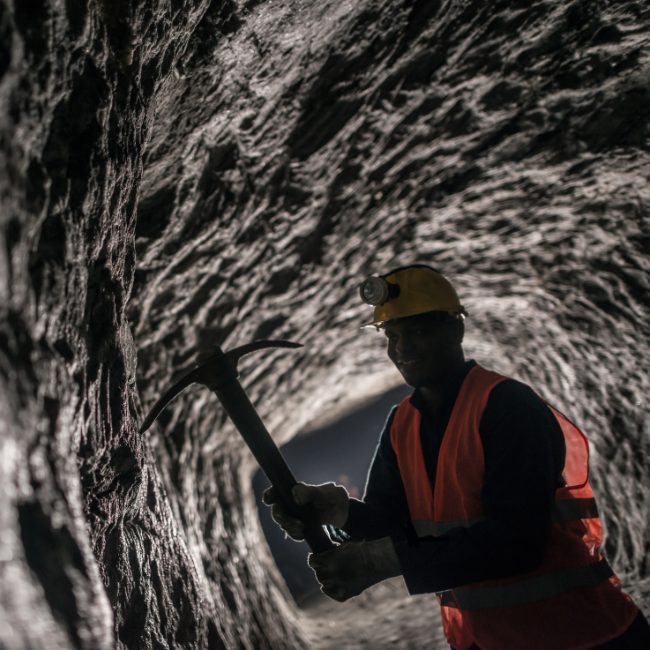
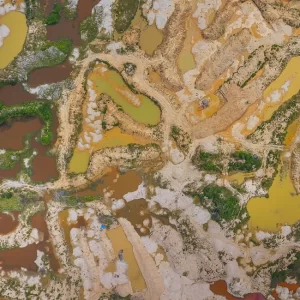
Galamsey is plagued with illegal mining, frequently carried out in violation of safety and environmental regulations. Large tracts of Ghana’s terrain have been devastated, especially its farms, waterways, and forests. Thousands of individuals, both domestic and international, have been drawn to gold mining by the promise of rapid fortune, but the costs are high. Commonly employed in the extraction of gold, mercury and cyanide are making their way into rivers, damaging sources of drinking water and destroying soil. Like the radiation from the Chernobyl catastrophe, these hazardous substances kill silently. Chemical exposure and heavy metals may not have the same rapid effects as nuclear fallout, but they can have just as disastrous long-term repercussions.
Particularly hazardous is mercury. Fish that are essential to communities for food are poisoned when it builds up in aquatic environments and aquatic life. Because mercury bioaccumulates as it moves up the food chain, concentrations rise at every stage. Consumption of contaminated fish by humans causes neurological and developmental abnormalities, which are similar to birth defects seen in offspring of mothers exposed to radiation from Chernobyl. What we can refer to as “Ghana’s Chernobyl babies” are children born with severe cognitive disabilities, physical deformities, and irreversible health concerns owing to mercury poisoning. This could happen over time as a result of galamsey contamination with mercury.
🔑 Chernobyl Disaster Vs Ghana’s Galamsey
There is a terrifying parallel between the Chernobyl Disaster Vs Ghana’s Galamsey crisis:
Both are man-made disasters with extensive aftereffects.
The devastating explosion at the Ukrainian nuclear power plant Chernobyl occurred in 1986. As a result of the radioactive material leak, thousands of people had to be evacuated, there was extensive contamination, many health issues, and many fatalities. The catastrophe served as a clear warning about the risks associated with nuclear technology and the significance of safety precautions.
Galamsey, the illicit small-scale mining of gold and other minerals in Ghana, is progressively destroying the nation. The practice uses damaging techniques and dangerous chemicals, which results in land degradation, water pollution, and deforestation. The catastrophic consequences include the loss of livelihoods in communities, the destruction of ecosystems, and the depletion of the nation’s natural resources.
Chernobyl Disaster Vs Ghana’s Galamsey tragedies demonstrate the risks associated with human activity that ignores its effects on the environment and society, despite differences in their immediate causes and magnitude. The long-term expenses have trumped the short-term benefits in both situations.
Ghana has the risk of experiencing a catastrophe comparable to Chernobyl if galamsey is allowed to continue. The devastation of the environment, loss of livelihoods, and possible health risks are all too true. To stop galamsey and advance sustainable development, the government and people must act decisively. Ghana’s future is dependent upon it.
🎙️ Long-Term Effects: An Imminent Health and Environmental Crisis in Relation to Chernobyl Disaster Vs Ghana’s Galamsey.
The long-term effects on the environment and public health will be disastrous if galamsey is allowed to continue unchecked. Ghana may see whole sections that are too toxic for people to live in, grow, or drink owing to heavy metal poisoning, much as the exclusion zone around Chernobyl is still too deadly even decades later. There will be long-term consequences for the availability of safe drinking water due to the pollution of rivers like the Pra, Ankobra, and Birim. Concerns about the growing expenses of treating water contaminated by galamsey activities and the possibility of irreversible damage have already been voiced by the Ghana Water Company.
Even more concerning are the impacts on health. Mercury toxicity causes neurological damage, especially in young children whose brain development is stunted and leads to learning impairments, memory loss, and problems with motor skills. infants born to pregnant women exposed to mercury have a higher chance of having severe developmental problems, which are comparable to the birth disorders observed in infants born following the Chernobyl accident. Mercury is one of the top ten substances that pose a serious risk to public health, according to the World Health Organization (WHO), and Ghana’s present galamsey practices are making mercury poisoning more common in the country’s communities.
🔍 The Urgency for Prompt Action
Ghana is facing a decision. What is done now will determine how the environment, public health, and legacy are preserved for future generations. Comparable to the belated response to the Chernobyl accident, the tardy handling of the Galamsey situation may have far-reaching effects.
👐 It’s Time to Take Action!
Galamsey is the Chernobyl of Ghana waiting to happen. Unchecked releases of harmful substances into the environment would cause permanent harm to the country’s soil, water resources, and public health. Without prompt action, Ghana may experience an unprecedented public health disaster due to the birth abnormalities, malignancies, and chronic diseases that will arise from mercury and cyanide exposure. It is essential for Ghanaians and the global community to act decisively and swiftly to halt galamsey before it is too late, just as the world united to handle the Chernobyl tragedy.

Delaying action simply makes the crisis worse. This is one of the major lessons to be learned from Chernobyl. Ghana shouldn’t wait for its own “Chernobyl infants” to tragically represent carelessness with the environment. It is time to take action.
Just as the Chernobyl disaster serves as a stark reminder of the consequences of human error and neglect, the galamsey crisis in Ghana highlights the devastating impact of unsustainable practices. Both events underscore the importance of responsible stewardship and the need for proactive measures to prevent future catastrophes.